CoinFT
CoinFT is a coin-sized, capacitive 6-axis force and torque sensor, originally developed at Stanford's Biomimetics and Dexterous Manipulation Lab, that I fabricated and calibrated for use in Terradynamics Lab research. It consists of two rigid circuit boards connected by an array of silicone rubber pillars, with a microcontroller that switches between electrode configurations to isolate all six axes of force and torque from twelve raw capacitance channels. The published sensor achieves an average error of 0.11N for force and 0.84mNm for moment across its working range. I fabricated the sensor through silicone pillar casting and custom PCB assembly, calibrated it against an ATI Nano43 reference sensor using a trained neural network, and have now deployed it on the lab's cockroach robot as its first real robotic application.
How It Works
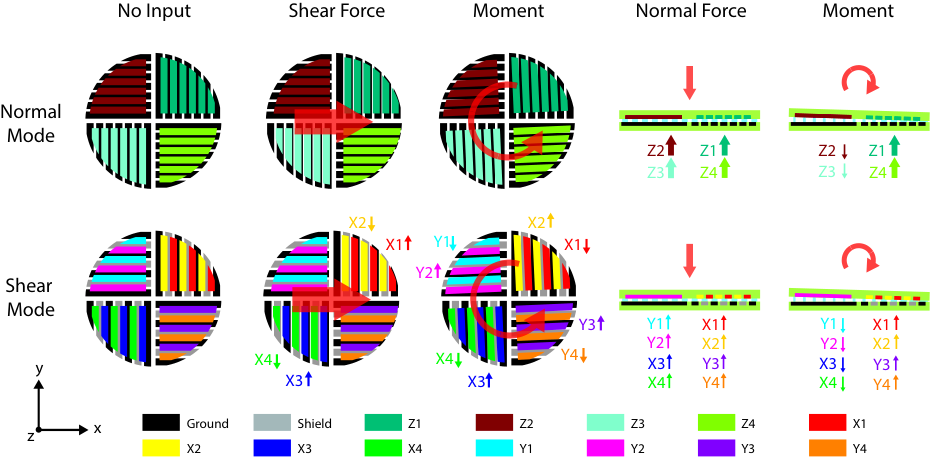
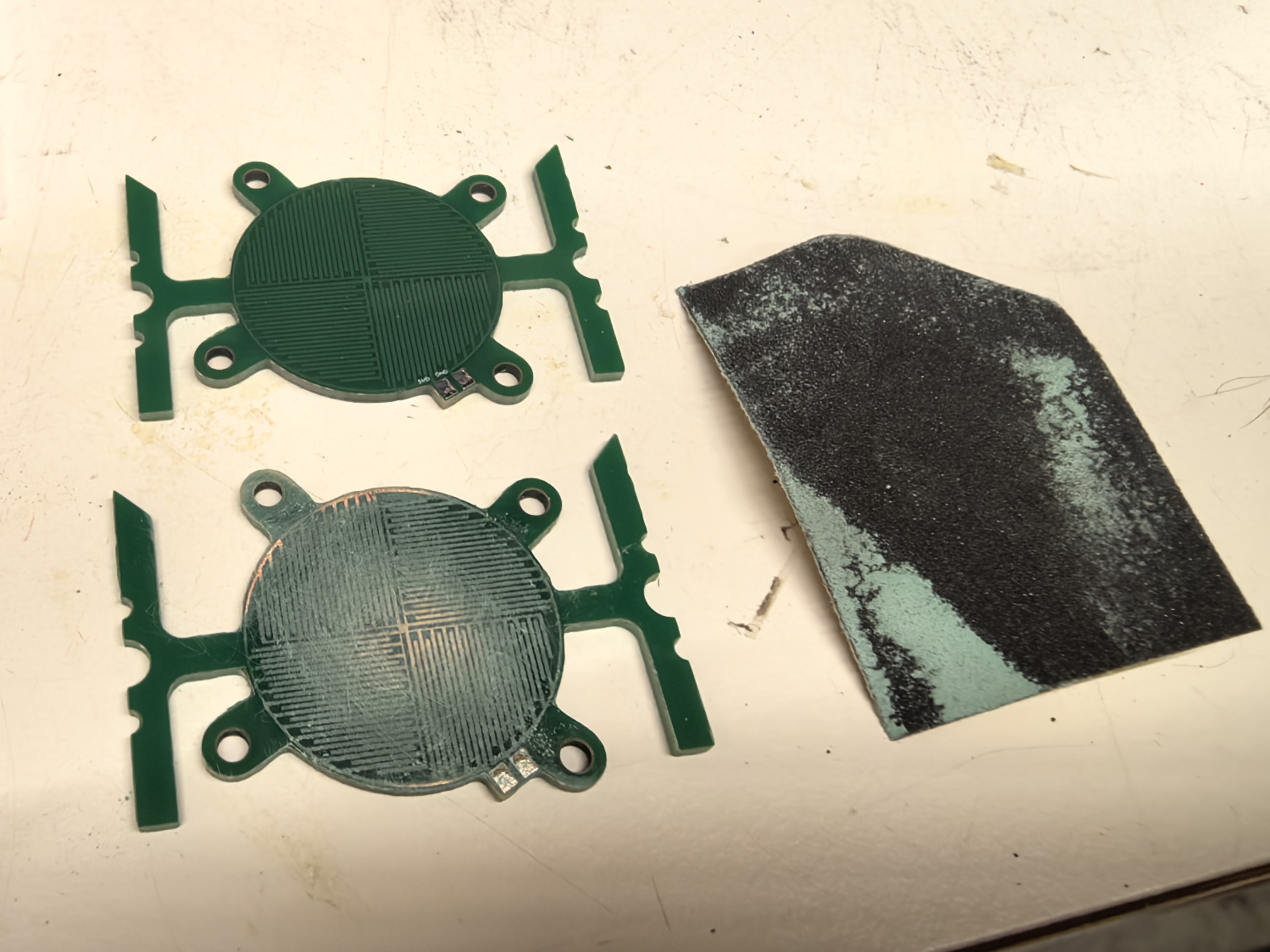
- A stack of two rigid circuit boards with comb-shaped electrodes, connected by an array of silicone rubber pillars
- The microcontroller switches between two electrode configurations every sampling cycle: a normal mode, sensitive to changes in the distance between electrodes, capturing vertical force and two axes of moment, and a shear mode, sensitive to lateral shifts in electrode overlap, capturing the remaining two force axes and vertical torque
- Together, 12 raw capacitance channels (4 normal mode, 8 shear mode) encode all 6 axes of force and torque, sampled at 360 Hz
Fabrication
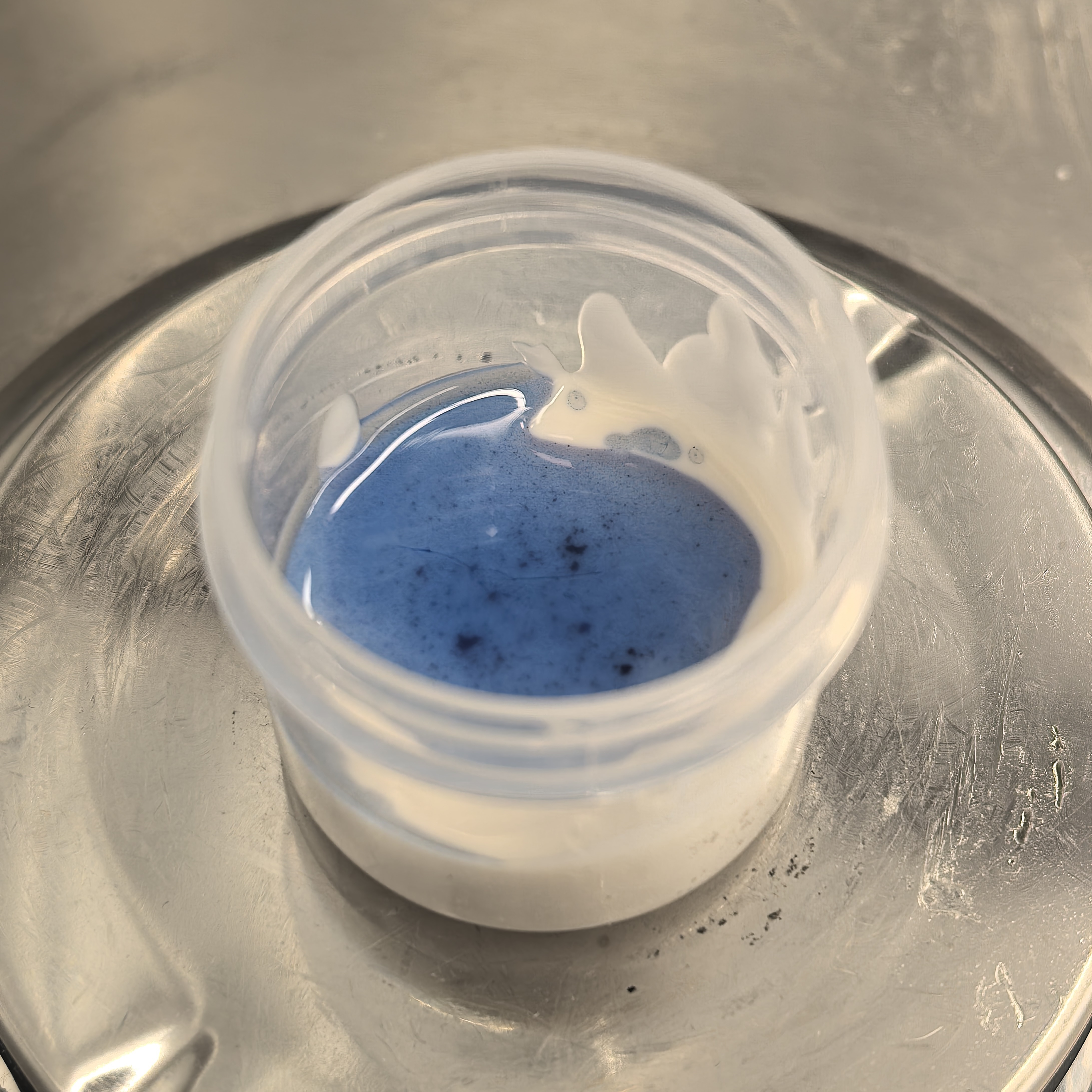
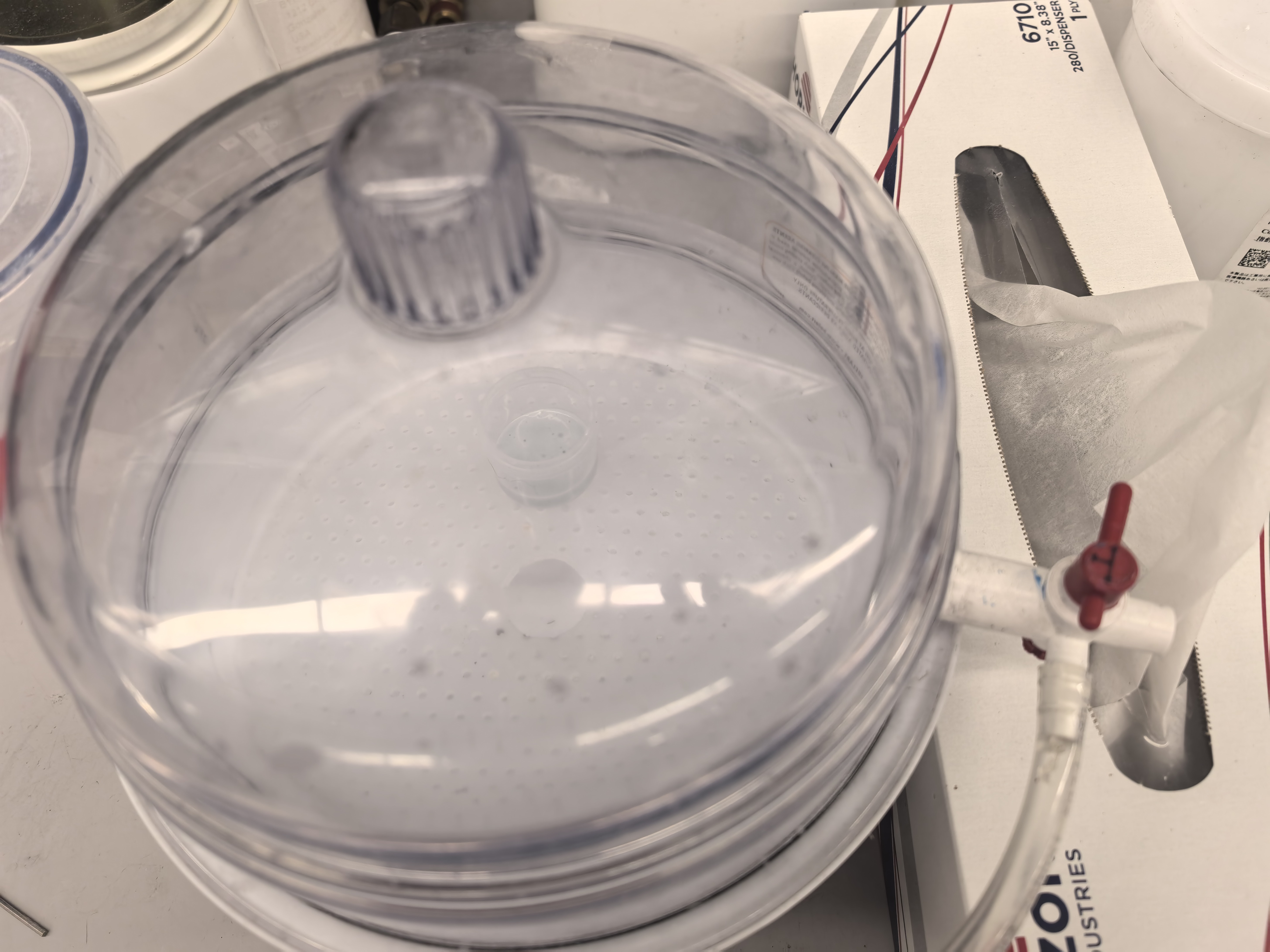
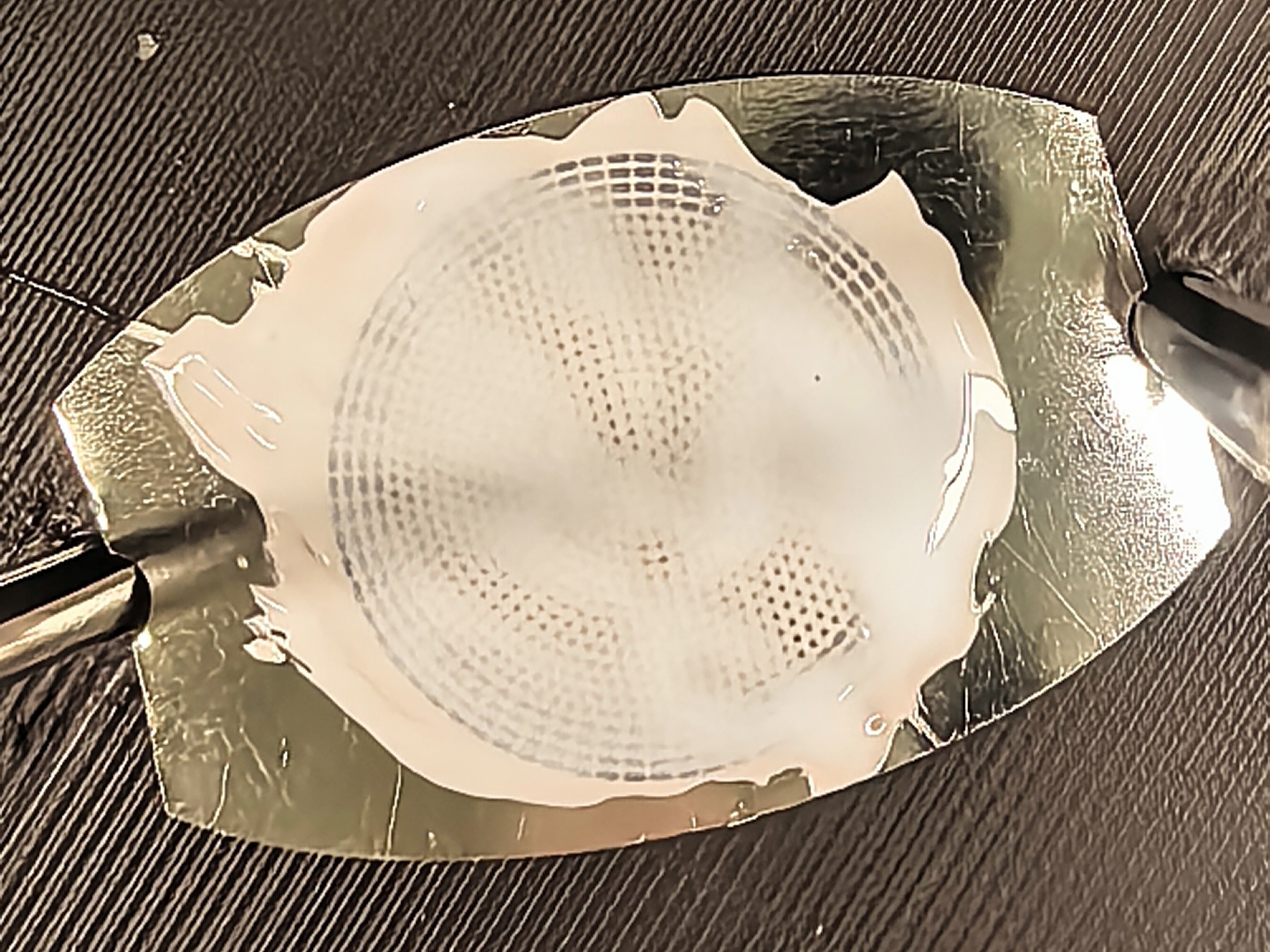
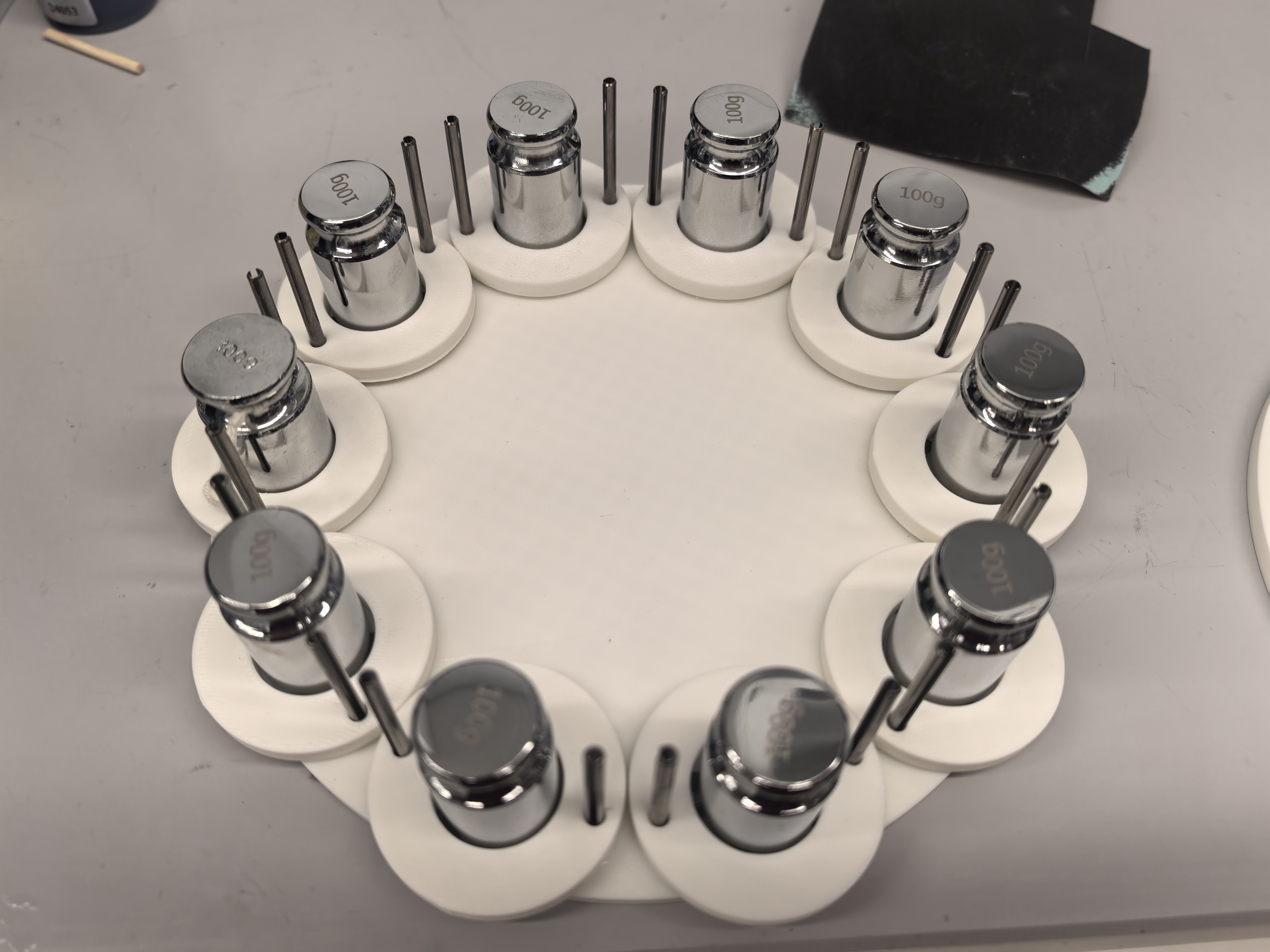
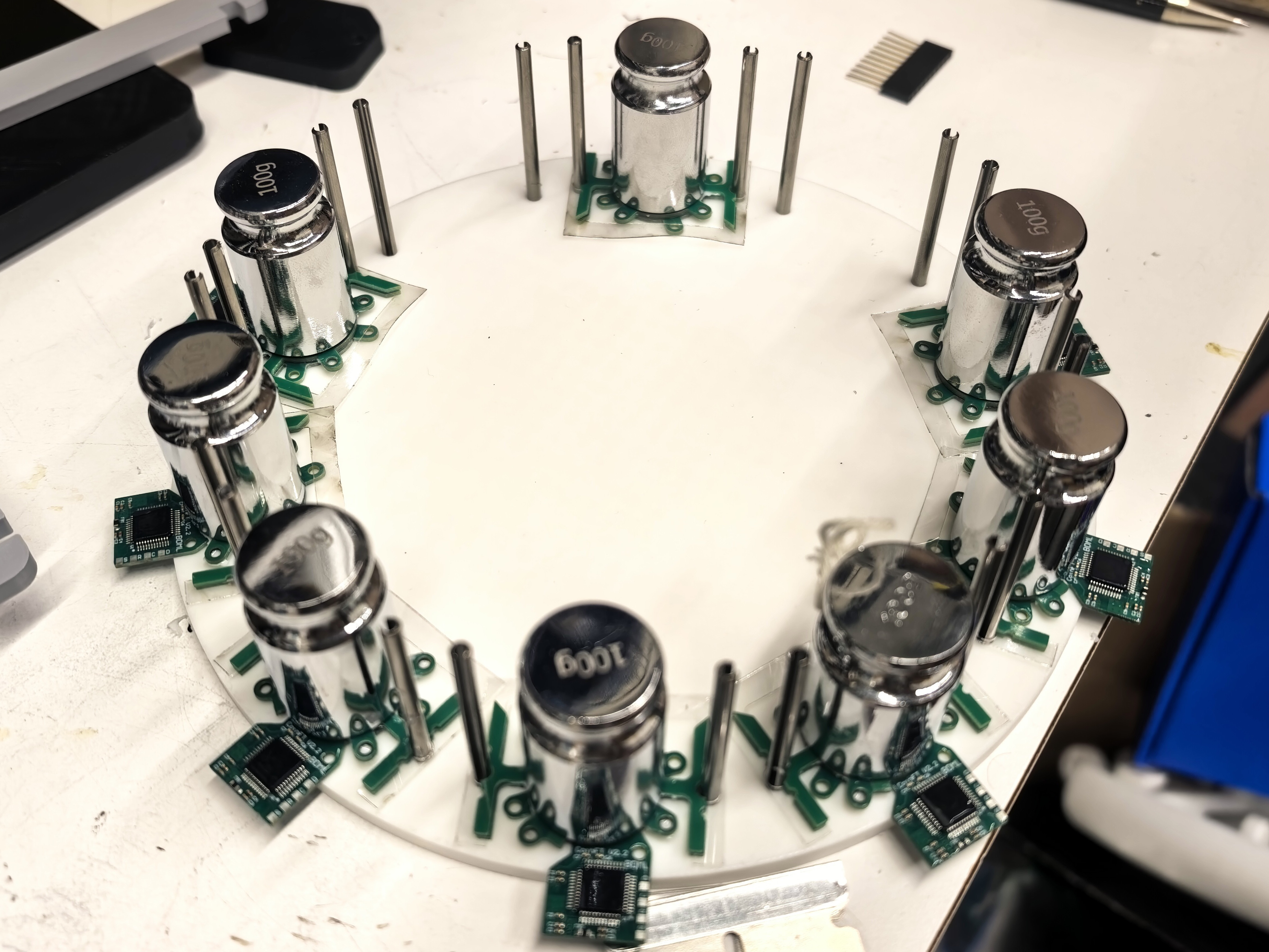
- Silicone pillar casting using RTV silicone, degassed under vacuum, with both circuit boards primed before bonding
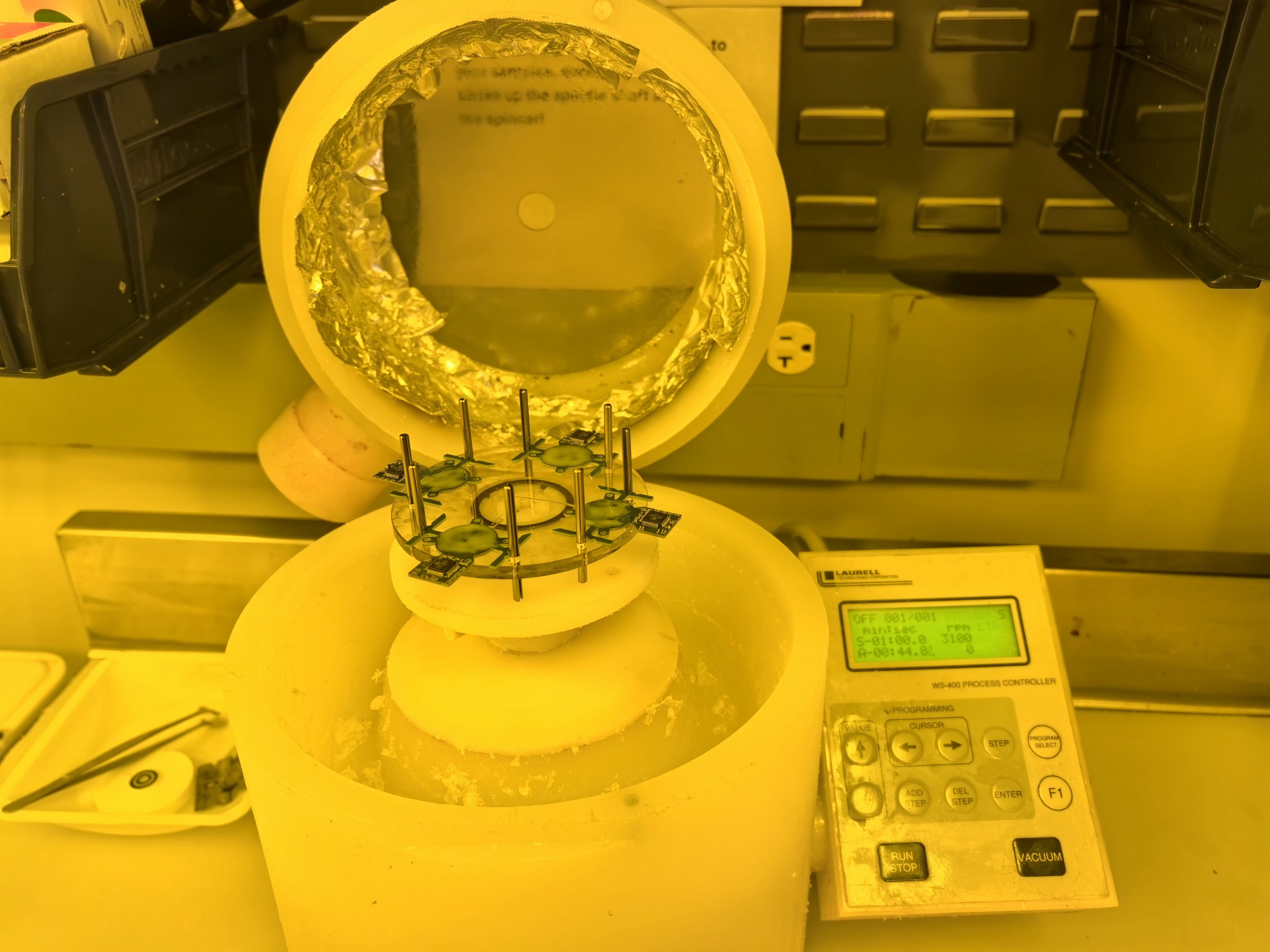
- Bottom board spin-coated on a Laurell WS-400B spin coater to achieve a controlled, even layer
- Solved a real fabrication problem: silicone curing was inhibited due to platinum catalyst contamination, traced back to a latex pipette used during preparation
- Solved a PCB manufacturing issue: a via drill specification triggered a mandatory electrical verification fee, resolved by paying it rather than modifying the design
- Firmware flashed to the sensor's microcontroller to enable data streaming
Calibration Pipeline
- Calibrated against an ATI Nano43 reference force/torque sensor as ground truth
- Raw capacitance readings mapped to 6-axis force and torque output through a trained neural network (12 input channels, through hidden layers of 128, 64, 36, 24, and 12 units, to a 6-axis output)
- A second reference sensor, an OptoForce HEX-70, was used only for early pipeline testing and software validation, not for final calibration, since it lacked the accuracy needed as a 6-axis ground truth
Results
- Published performance: average error of 0.11N for force and 0.84mNm for moment, across a range of 0 to 10N normal force and 0 to 4N shear force
- Final form factor: approximately 20mm in diameter, 2mm thick, weighing 2 grams, small enough to mount directly on a small robot where a larger reference sensor would be impractical
Now deployed on the lab's cockroach robot, CoinFT's first real robotic application, measuring live contact forces during obstacle-crossing maneuvers.